
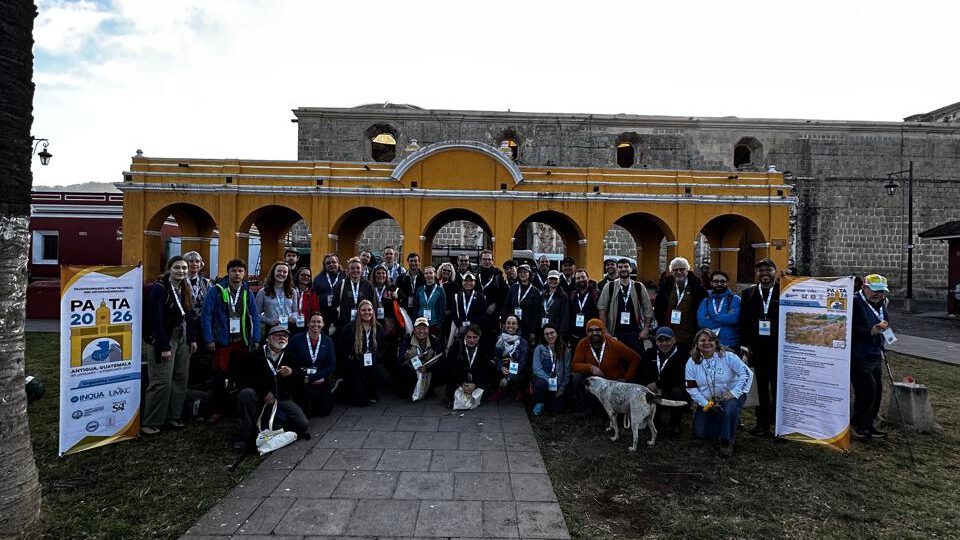
The 13th International INQUA Meeting on Paleoseismology, Active Tectonics and Archaeoseismology (PATA Days) was held from 2-5 February, 2026, in Antigua Guatemala. We commemorated the catastrophic M7.5 earthquake of 4 February, 1976. A pre-meeting field trip from 30 Jan – 1 Feb took the participants to several paleoseismological and archaeoseismological sites along the Motagua Fault, the plate boundary between the North American and Caribbean Plates. After the meeting, another field trip focussed on the neotectonics of the triple junction west of Guatemala City. 16 ECRs and DCRs were supported with INQUA travel grants organized by TERPRO’s project CHAMP. Here’s a short summary about the field trips and the meeting.
Pre-meeting field trip – Rio El Tambor faulted terrace risers
About 50 people from 15 different nations left Antigua in the morning of 30 January to head east towards the Motagua Valley. The field trip was mainly lead by Tina Niemi and Christoph Grützner.
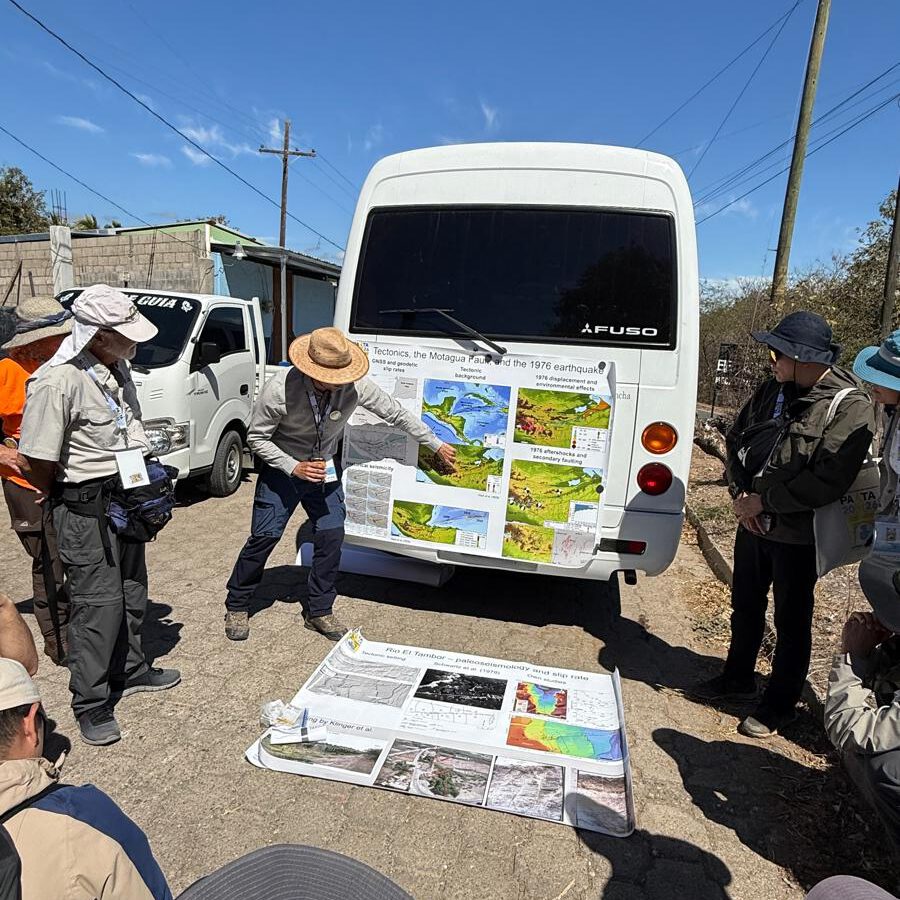
Our first stop was Rio El Tambor, where a a flight of terraces is offset by the Motagua Fault. The older the terraces, the more they are offset – as described in a a classic paper by David Schwartz et al. (1979). We were happy that Dave was on the PATA field trip and re-visited the field sites after ~50 years! Now there’s new LiDAR data that allowed us to re-measure the offsets of the terraces (turned out Schwartz was essentially right 50 years ago), and new OSL data will allow us to refine the slip rate estimate here – stay tuned.
Estanzuela trench
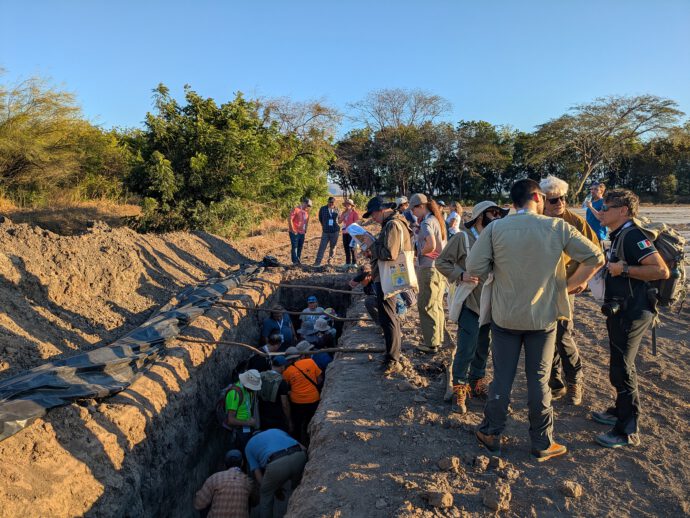
After a lunch & coffee stop in Cabañas, we drove further east along the plate boundary to the melon farm of Estanzuela (thanks to the owners to provide access!). The nearby highway was offset in the 1976 M7.5 Earthquake by almost a metre, and famously, it had to be repaired several times – a good opportunity to talk about afterslip. At the melon plant we visited a trench dug by Tina and Christoph, and we discussed distributed deformation. After this long day we checked into hotel Longarone.
Quirigua Maya site and Gualán
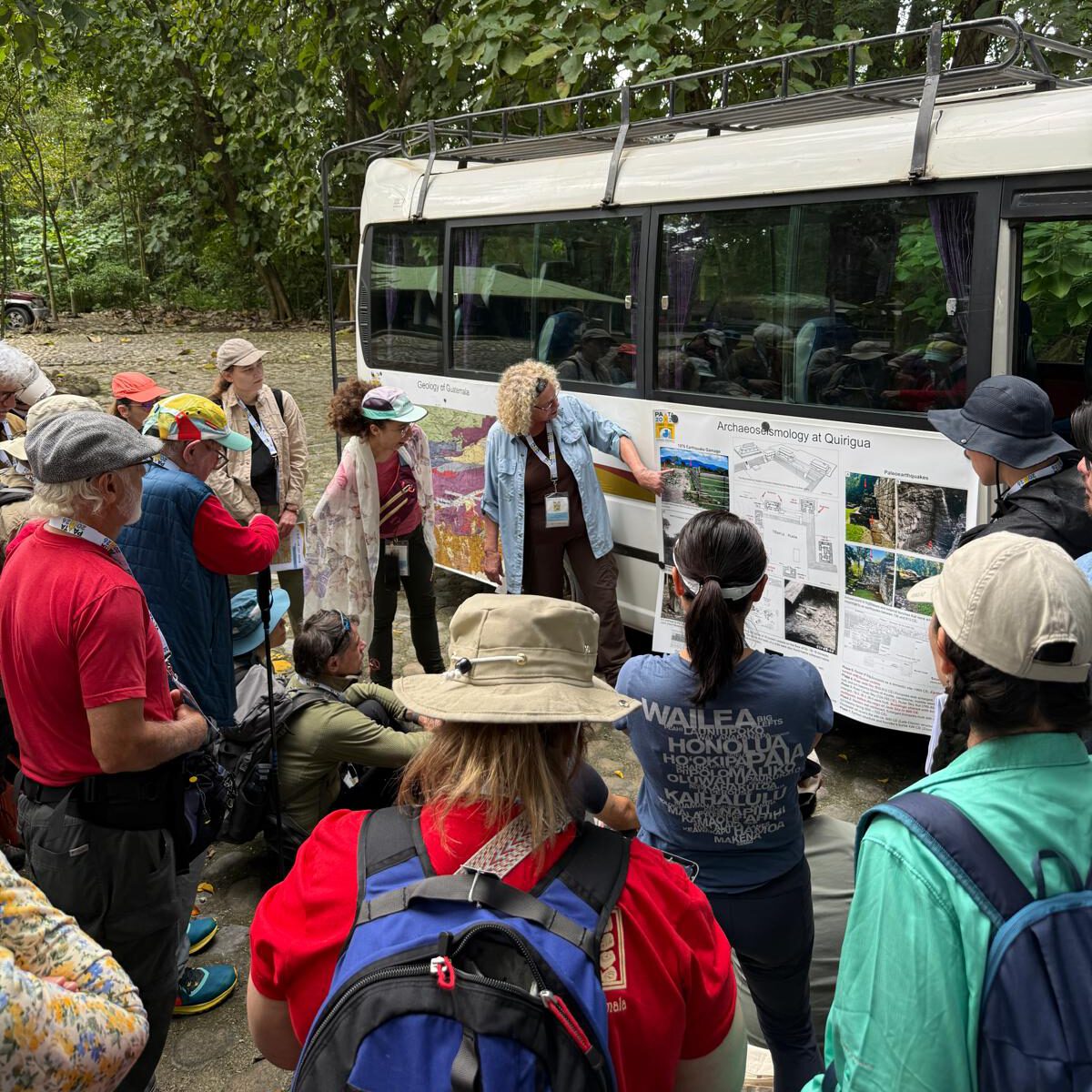
Early in the morning our buses left for Quirigua – a famous Mayan city that hosts archaeoseismological evidence for strong past events. This UNESCO site is spectacular; it has the largest sandstone stela in Central America and an amazing history. The excavation history is a fascinating story on its own.
Then we drove back to Gualán, where we had an excellent lunch and discussed the 1976 damage within the city. Tina and Trenton McEnaney showed us the site that they trenched with Jonathan Obrist-Farner. A small canal still has the 1975 offset preserved nearby!
Quite a long day, but luckily, pizza was waiting for us at the pool back at the hotel…
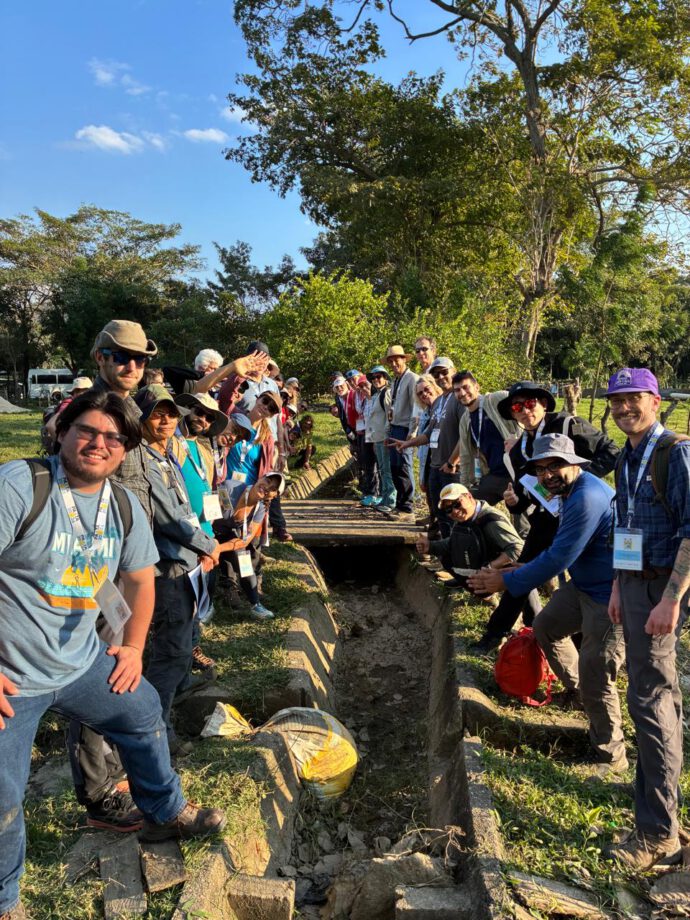
La Laguna trench site
The largest offsets in the 1976 earthquake were measured at La Laguna with 3.4 m horizontal and 80 cm vertical. Here, we visited a re-opened trench by Tina and Christoph, and we investigated offset dry stone walls as possible evidence for more than one recorded event.
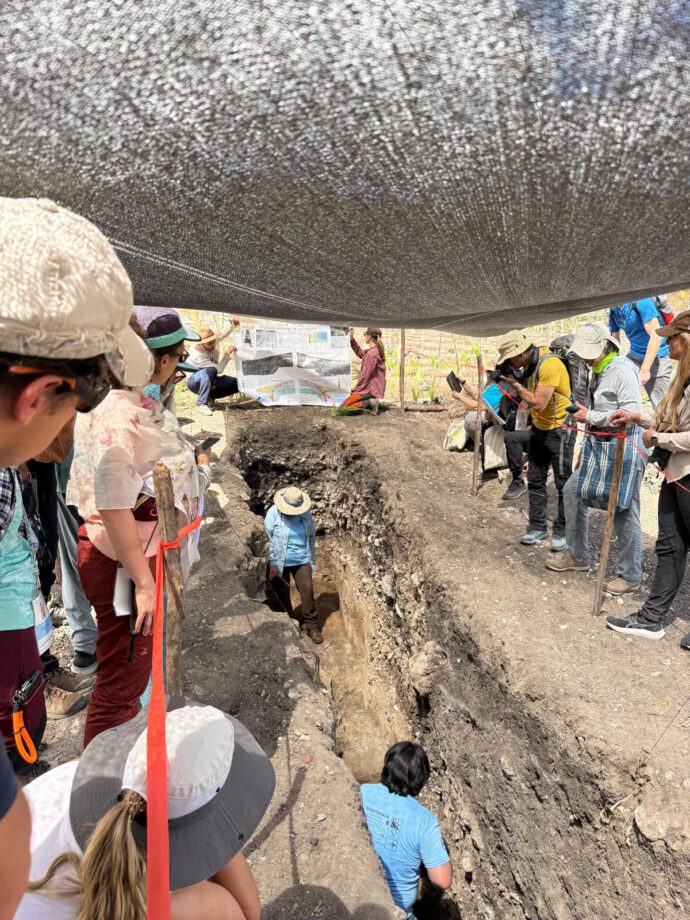
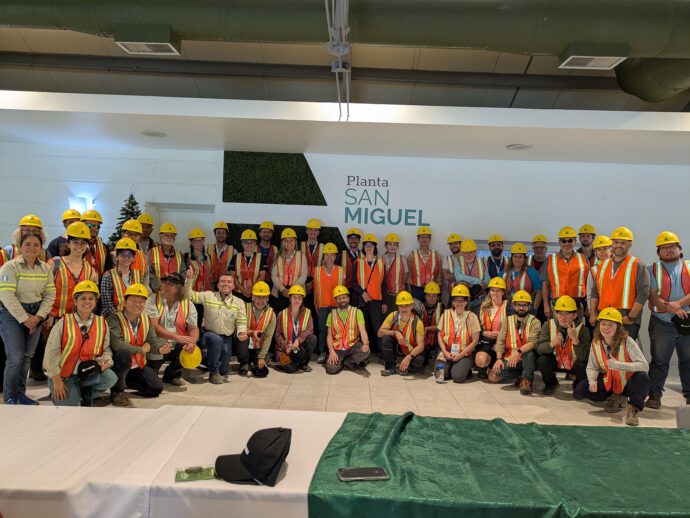
The results have just been published – five surface-rupturing quakes in the last 1300 years! After a hearty lunch at the Cementos Progreso limestone mine of San Miguel (thanks a lot for sponsoring!) we drove back to Antigua, where a welcome reception took place in the evening.
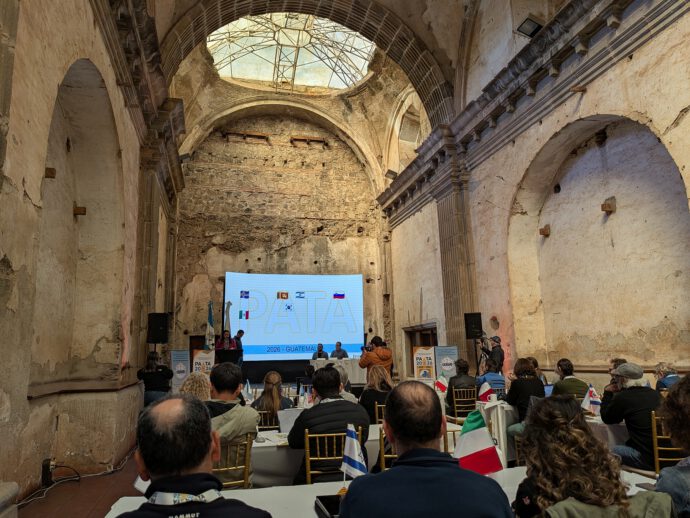
The meeting – talks, posters, and archaeoseismological walking tours
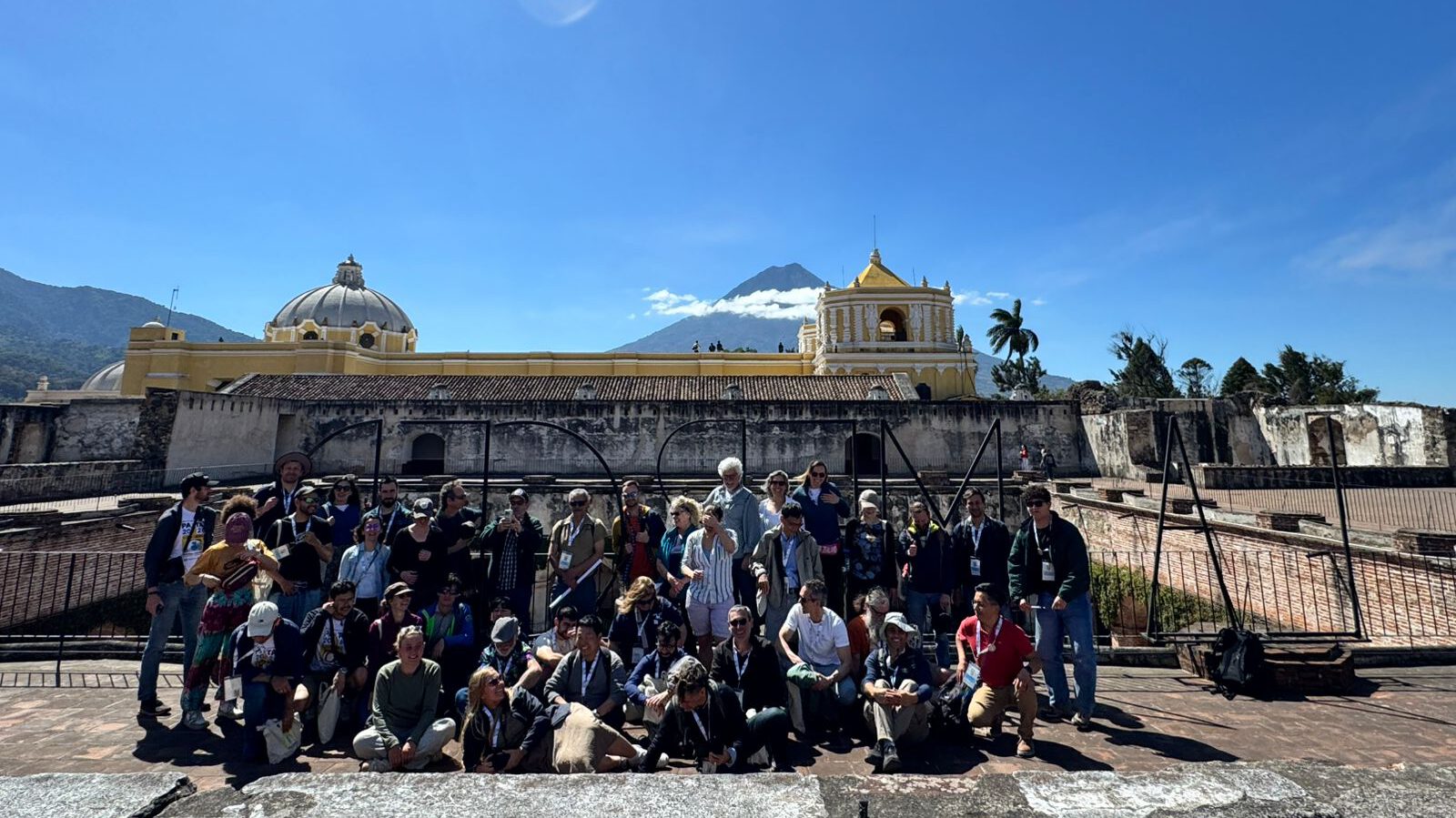
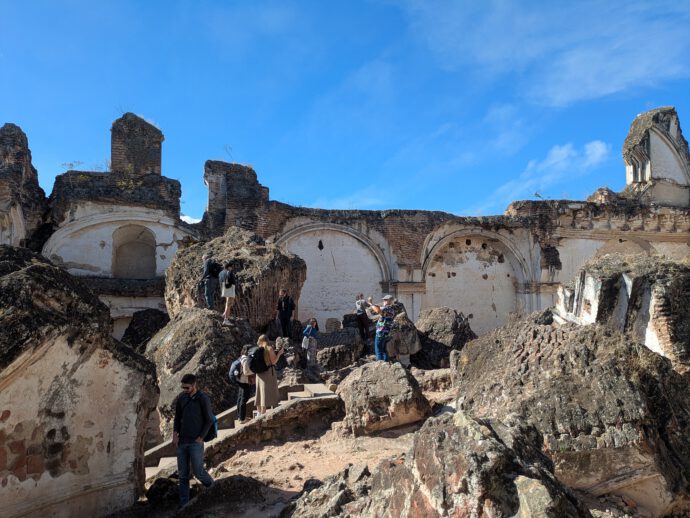
The meeting was held in the Convento de Capuchinas, a beautiful building with earthquake damage, which also hosts the Consejo Nacional para la Protección de La Antigua Guatemala – the agency responsible for protecting the UNESCO World Heritage site of Antigua Guatemala that allowed us to use the venue for free. We had dozens of wonderful talks and posters from 2-5 February, and on 4 February a special session commemorated 50 years after the 1976 Earthquake. Check the brandnew review paper on this event published recently in BSSA. Tina also led two walking tours to discuss the well-preserved earthquake damage in Antigua, which has seen many destructive events, and Heiro Castellanos from the Consejo led us through the museum of San Agustín. Thanks to all presenters for their contributions – it’s been amazing to learn about latest studies and developments!
The meeting programme can be downloaded here.
Post-meeting field trip
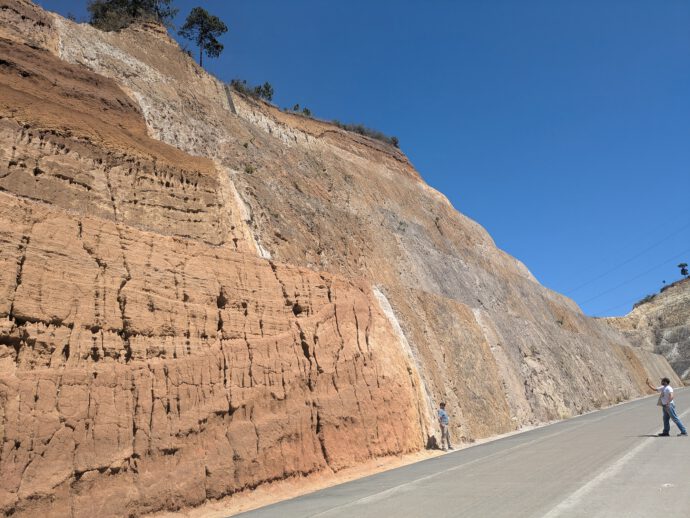
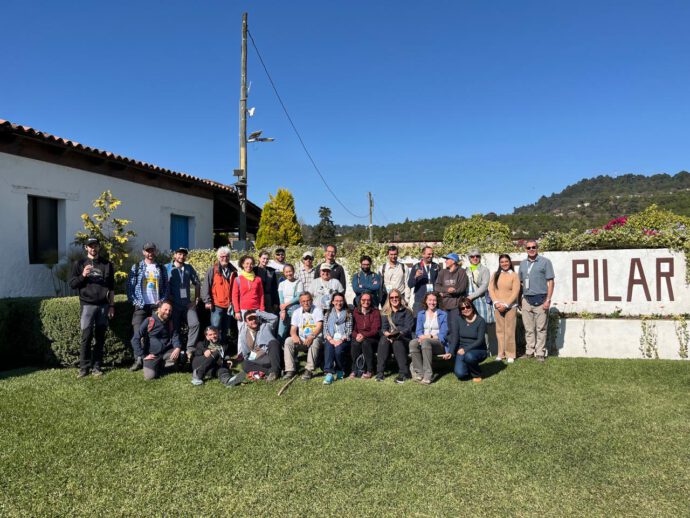
On 6 February, Bridget Garnier led the post-meeting field trip to see a spectacular outcrop at Xenacoj. This day was devoted to understanding the Neotectonic history of the triple junction between North American, Caribbean, and Cocos Plates. Cementos Progreso kindly allowed us to enter their property and sponsored a delicious lunch – thanks a lot!
Future of PATA
The TERPRO business meeting was held on the last day of the conference to discuss INQUA TERPRO activities, new project ideas, and the future of the PATA Days. In 2027, no PATA Days will be held because of the INQUA Congress in India. A lot of paleoseismology research is going to be presented there (deadline is March 31, by the way!). Several ideas were brought forward for the post-congress period, among them China or Taiwan, Southern California, and Australia, but most of the attendees liked Greg De Pascale’s proposal to run PATA 2028 in Iceland. Kim Blisniuk, Yann Klinger and Greg volunteered to lead a project proposal that could follow TERPRO’s project CHAMP, which will terminate next year. (PATA is supported by INQUA via multi-year projects – learn more here.) We’ll keep you updated.
Resources
The usual four-page abstract book is currently under preparation and will be published soon. In the meantime, you can check abstract books and field guides from previous PATA meetings at http://pata-days.org/downloads/
-
Clark, G., McEnaney, T., Maurer, J., Eckert. A., Gao, S. S., Flores, O. G., Yani, R., Niemi, T., Grützner, C., Gomez. F., & Obrist‐Farner, J. (2026). A Fiftieth Year Retrospective on the 1976 Mw 7.5 Motagua Earthquake in Guatemala. BSSA. https://doi.org/10.1785/0120250268.
-
Garnier, B., Tikoff, B., Flores, O., Jicha, B., DeMets, C., Cosenza‐Muralles, B., … & Greene, D. (2022). Deformation in western Guatemala associated with the NAFCA (North America‐central American Forearc‐Caribbean) triple junction: Neotectonic strain localization into the Guatemala City Graben. Tectonics, 41(2), e2021TC006739. https://doi.org/10.1029/2021TC006739.
- Niemi, T. M., Grützner, C., Flores Beltetón, O., Alberto Romero, L., Gomez, F., Maurer, J., McEnaney, T., Daniels, R., Dollens, A., Ebell, H., Pérez Arias, C., Graettinger, A. H., & Obrist-Farner, J. (2026). Five major earthquakes since the Late Classic Maya Period on the Motagua Fault in Guatemala. Communications Earth & Environment. https://doi.org/10.1038/s43247-026-03271-y
- Schwartz, D. P., Cluff, L. S., & Donnelly, T. W. (1979). Quaternary faulting along the Caribbean-North American plate boundary in Central America. Tectonophysics, 52(1-4), 431-445. https://doi.org/10.1016/0040-1951(79)90258-0
Sponsors and support
The PATA Days were mainly organized by Carla Gordillo, Omar Flores, Tina Niemi, Christoph Grützner, and Jonathan Obrist-Farner, aided by the respective institutions. We thank all volunteers, student helpers, and local helpers for their support. Sponsoring institutions included
- CNPAG – El Consejo Nacional para la Protección de La Antigua Guatemala
- Cementos Progreso
- INGUAT – Instituto Guatemalteco de Turismo
- USAC – Universidad de San Carlos
- FIUSAC – Facultad de Ingeniería de USAC
- DiGi – Dirección General de Investigación de USAC
- Mucha Pizarra




No Comments
No comments yet.